|
|
Invasive Vegetation Management & Treatment Ltd - March 2021 Newsletter
|
|
Japanese Knotweed Identification in March & April
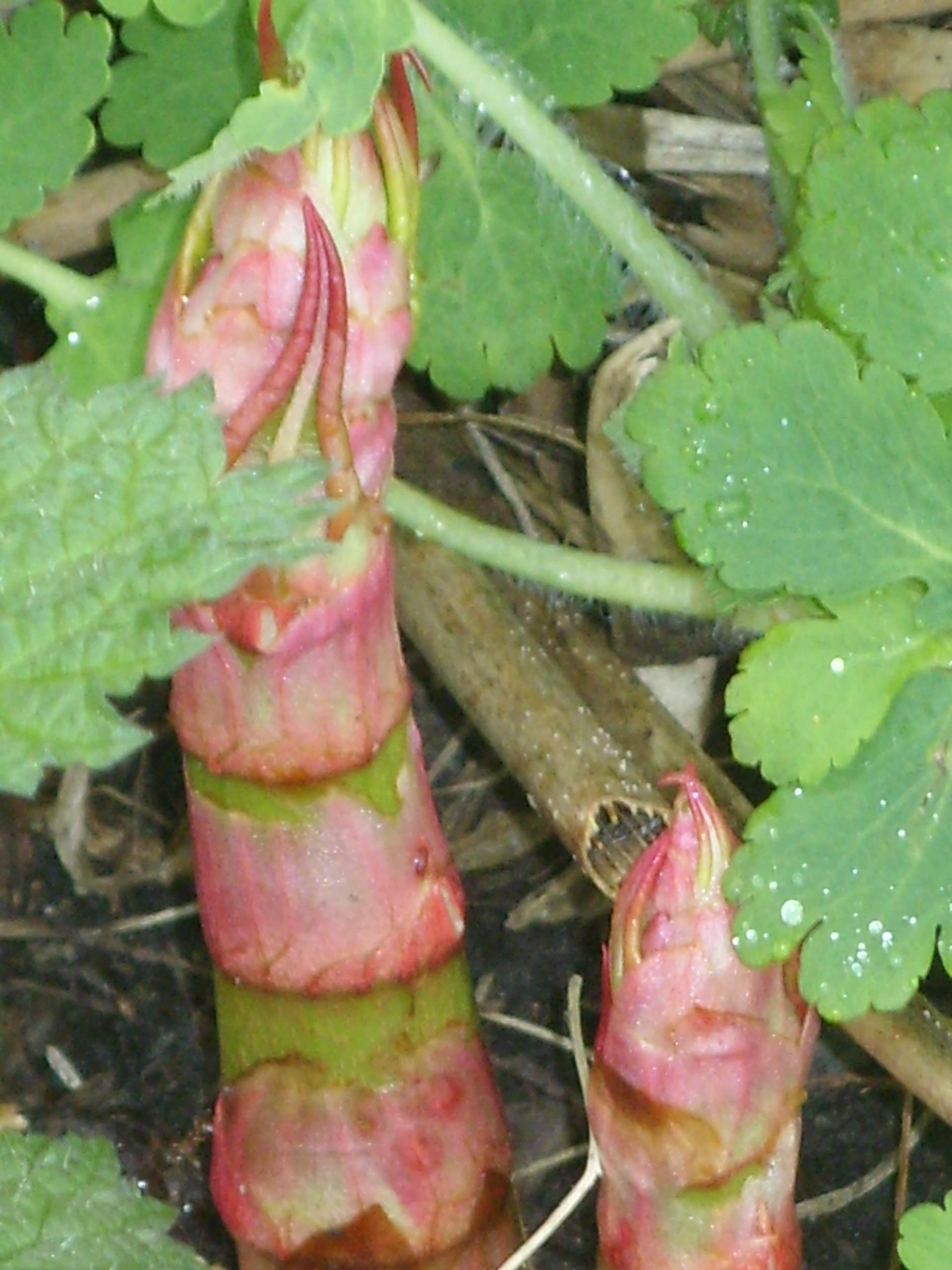
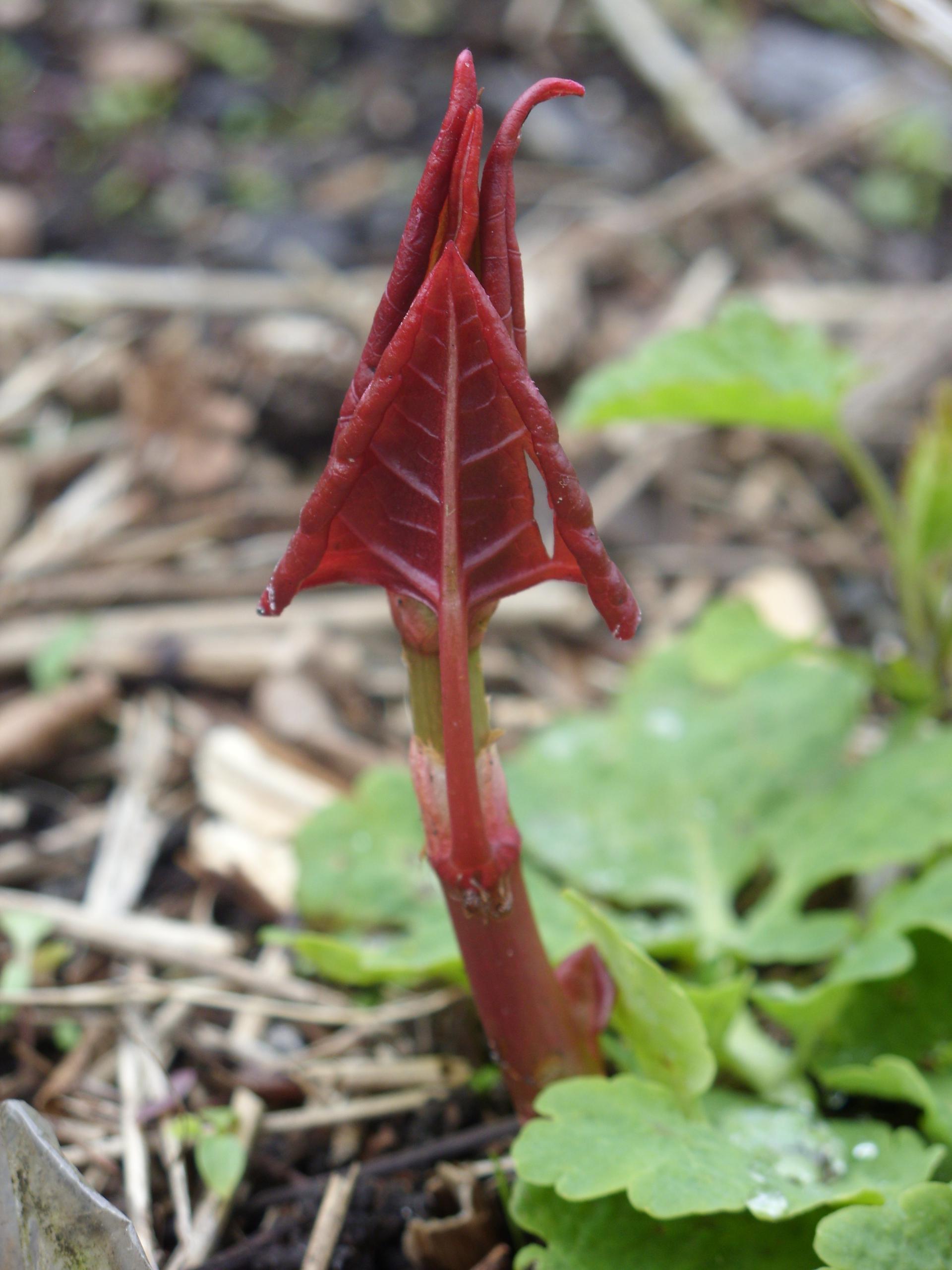
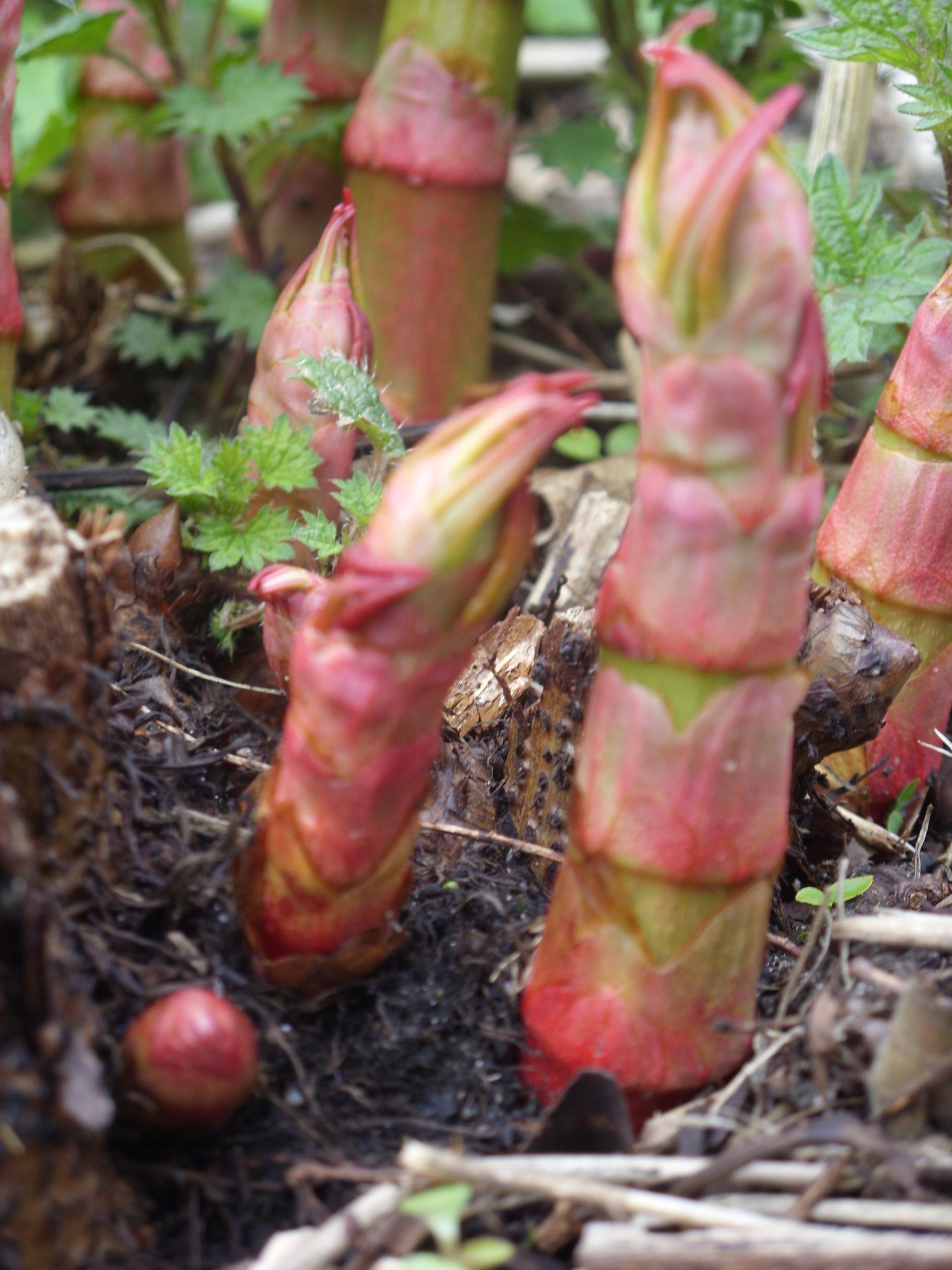
Japanese Knotweed Identification - What to look for in March & April
The reddish shoots emerge in spring and grow rapidly up to 3 m tall. The roots can extend to a depth of 2 m. In the autumn, when the shoots are killed by frost, food reserves are translocated down to the stout rhizomes. These form a deep mat and can be more than 2 m deep and 15-20 m long. The rhizomes form pinkish nodules in early spring from which shoots develop in April. The previous stems may still be present as the new shoots emerge and can persist for 12 months or more.
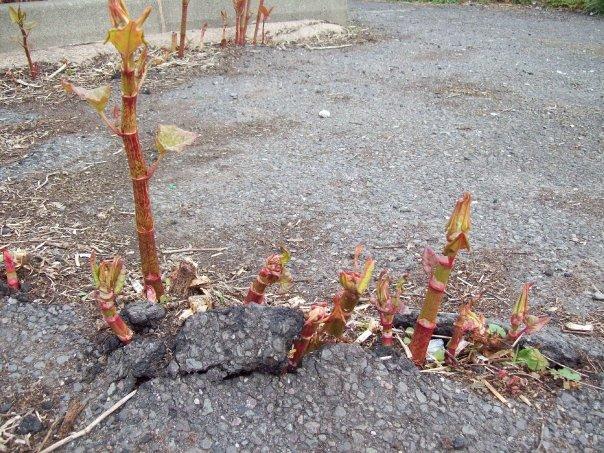
Occurrence: Japanese Knotweed is an invasive rhizomatous perennial introduced to the UK from Japan between 1825 and 1841 as an ornamental plant and as cattle fodder. In its native habitat, Japanese Knotweed is a pioneer species found on volcanic larva, river gravels and managed pastures. In the UK it was reported as a garden escape in the late 19th century and naturalised populations were recorded in the early 20th century. Initially it was most prevalent in South Wales, perhaps due to the moist climate, but it is now widespread throughout the UK to the detriment of the natural plant communities. Japanese Knotweed is established alongside railways, canals, rivers, streams and roadsides.
It forms tall thickets with a dense leaf canopy that exclude other plants even bracken. In the autumn the fallen leaves decompose slowly forming an impenetrable mulch that prevents anything else germinating. Japanese Knotweed is tolerant of soil acidity, heavy metal contamination and air pollution. In spring gales, the leaves can suffer severe wind damage as they unfurl. The foliage is also sensitive to late spring and early autumn frost. Evidence from the east of England and the Mediterranean region suggest that summer drought restricts the spread of the weed in warmer climates.
In the UK, both F. japonica var. japonica and the dwarf variant var. compacta are naturalized along with several hybrids. All of the plants of var. japonica found in the UK are functionally female and originate from the same clone. The closely related Giant Knotweed (F. sachalinensis) occurs in similar places to the Japanese Knotweed and has the same growth habit but has heart-shaped leaves and is even more robust.
Persistence and Spread: Established plants develop persistent woody stocks that increase in mass with age and continue to produce lateral creeping rhizomes. A significant proportion of the biomass of Japanese Knotweed is below ground. In the UK, the reproduction of Japanese Knotweed is purely vegetative. Spread is by the encroaching growth of established clumps or the dispersal and regeneration of small pieces of plant material, especially rhizomes, but also of stem and crown material. Small fragments of stem of the size produced by a horticultural shredder will regrow and form new plants. The regenerating shoots from buried plant material have emerged through tarmac and concrete. The dumping of waste plant material and the cartage of soil containing plant fragments has been responsible for much of the spread of Japanese Knotweed. It is common to see this weed on roadside verges where it has established from fly-tipped garden waste. Where Japanese Knotweed is growing near water, plant fragments can be carried downstream for long distances before developing into new plants. The fragments can even survive a period in seawater.
Management: A specialist contractor should be contacted as soon as plants are seen, once established, eradication is much more difficult. Control by cutting alone is ineffective and may increase stem density and the lateral spread of clumps. Regrowth is very rapid. Pulling or digging out the weed has some effect if repeated regularly over a three year period, but all waste plant material must be burnt. Japanese Knotweed can survive composting. Burning the plant insitu is ineffective.Root barrier fabrics made from reinforced polyethylene laminate have been successfully used to contain the spread of Japanese Knotweed. Some on-going research is looking for biological control agents in the countries of origin. The most effective way to control and eradicate Japanese Knotweed is by using herbicidal treatments carried out by a specialised company.
Topsoil and other brought in soil should be checked for fragments of Japanese Knotweed. If there is any doubt, the origin of the soil should be checked. Strict hygiene should be followed in dealing with living plant material of Japanese Knotweed. All fragments should be destroyed by burning or by deep burial to at least 10 m deep. When control is limited to one problem area, re-infestation is likely from adjacent areas. It is necessary to deal with plants in the adjacent areas too and prevent the spread of plant fragments, especially near water or where loose soil is likely to become moved around.
|
|
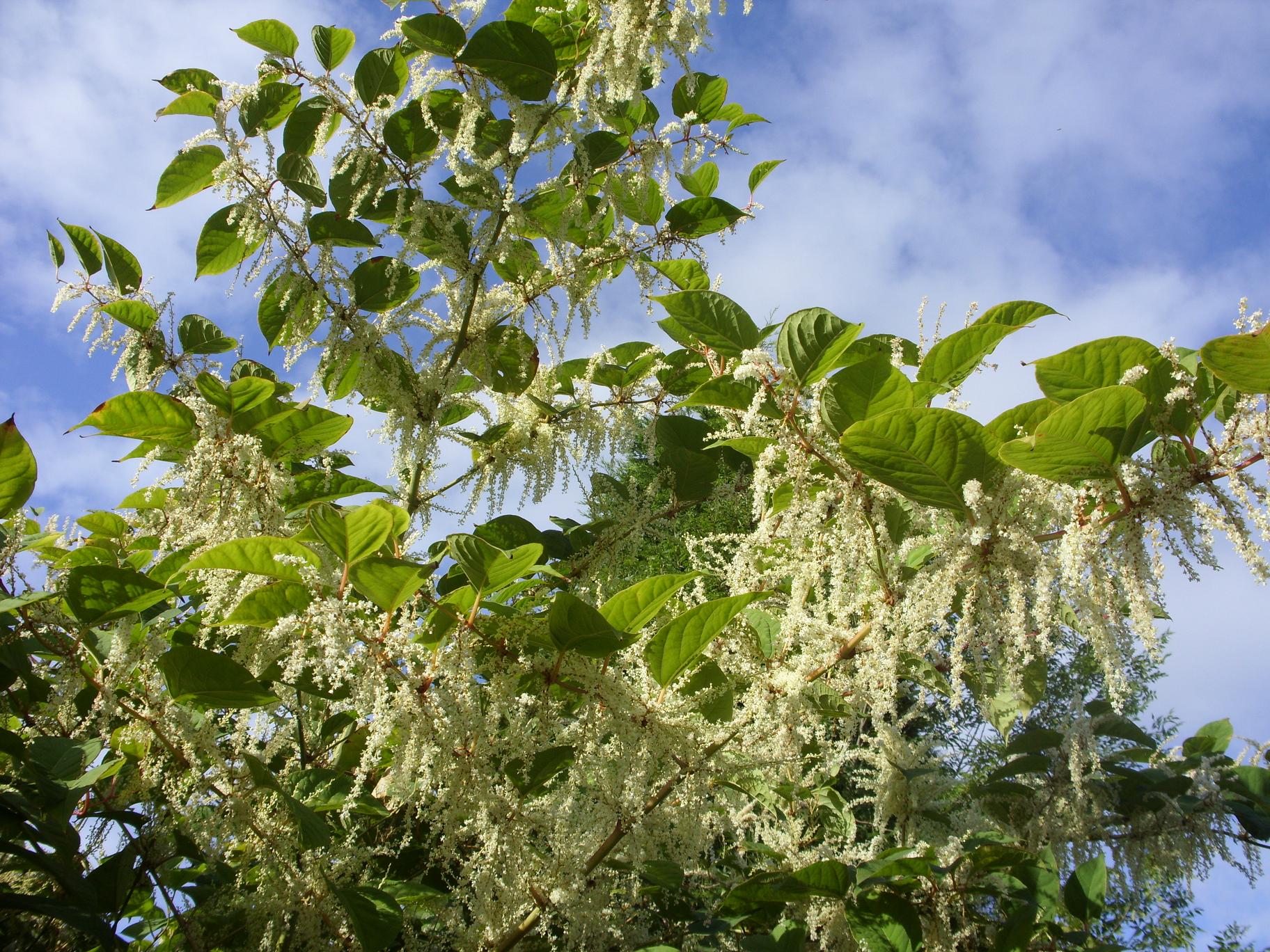
Guide to Japanese Knotweed
If you would like a free copy of our Guide to Japanese Knotweed email michael@i-v-m.co.uk to request one.
|
|
|


|
|
IVM ‘FAST’ System – Foliage & Stem Treatment
A cost effective solution to your invasive vegetation problem has arrived;
Invasive Vegetation Management & Treatment Limited (IVM) will produce a tailor-made program for your site, we work in with your time restraints, budget and ecological issues.
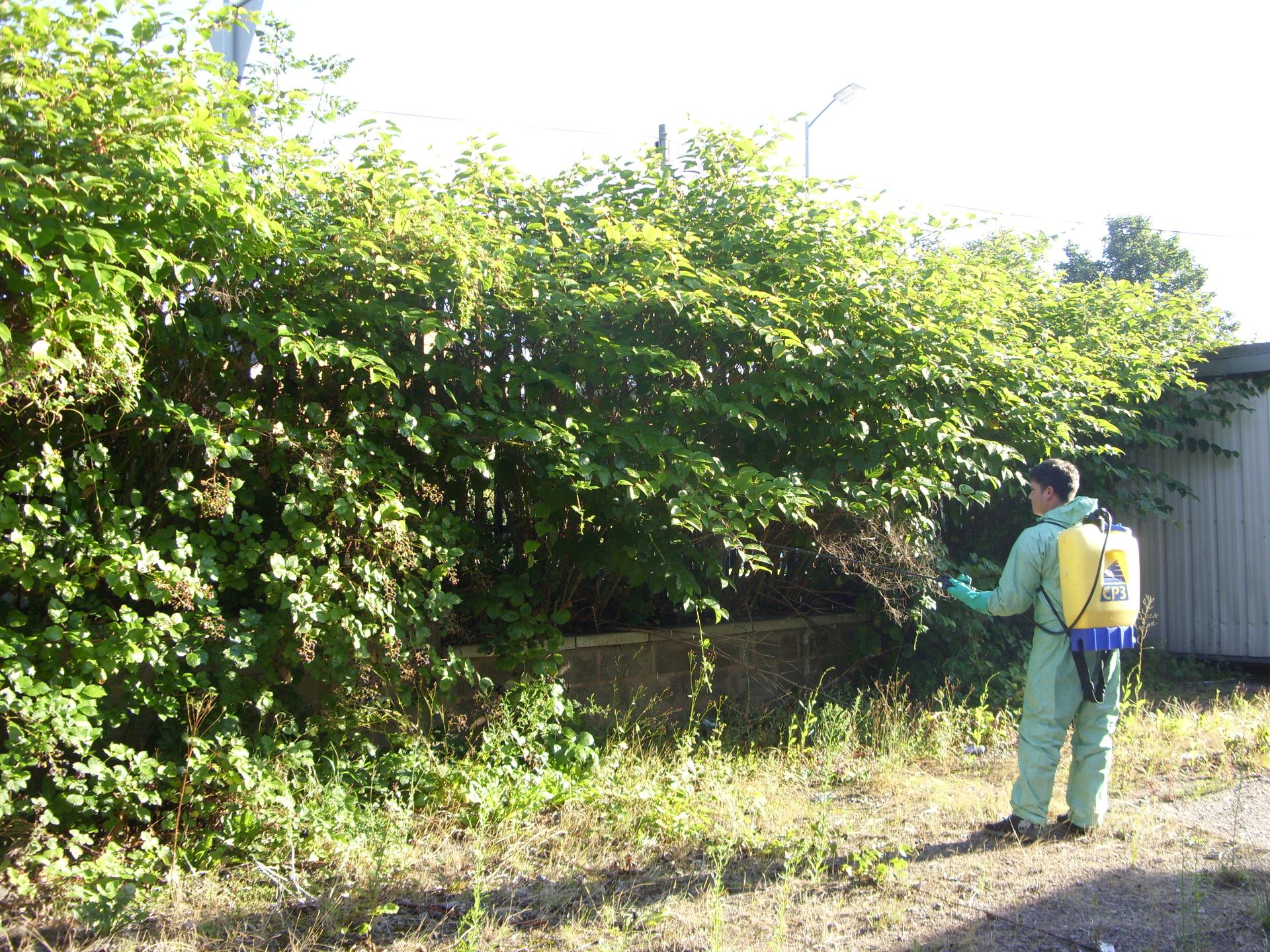
IVM’s flagship methodology, known as the IVM ‘FAST ‘ System (Foliage and Stem Treatment) guarantees treatment of Japanese Knotweed & other invasive species.
This advanced system uses the latest herbicides and application techniques to create a methodology that is cheaper and faster than its rivals.
The ‘FAST’ System uses different herbicides at different times of the year to kill different parts of the plant, in addition to the herbicides, products are applied to improve translocation rates, limit evaporation and assist the herbicide to adhere to the plant.
More information regarding IVM’s treatments, methodology’s and contact details can be found on our website.
|
|
Why Choose IVM?
IVM offer tailor made treatment programmes for Japanese Knotweed, Giant Knotweed, Hybrid Knotweed and Giant Hogweed. All treatments undertaken by IVM are guaranteed.
Invasive Vegetation Management & Treatment Ltd (IVM) offer guaranteed treatment of Japanese Knotweed (JK) using the advanced IVM 'FAST' System, this system uses the latest application techniques and scientific research.
The company directors have 40 years combined experience in Japanese Knotweed Treatment & Invasive Vegetation Management between them.
The company has a wealth of experience in the scientific treatment of invasive plants, and can tailor a treatment program to suit any construction program. We pride ourselves on Health and Safety and Environmental awareness, with all operatives trained to high standards and being members of NRoSO and the PCA.
|
|
|
|
Invasive Vegetation Management & Treatment Ltd, 2 Stone Cross, Water Orton, Birmingham, B46 1NA
www.knotweed-uk.com
Tel: 07836 321219 or 0121 366 8916